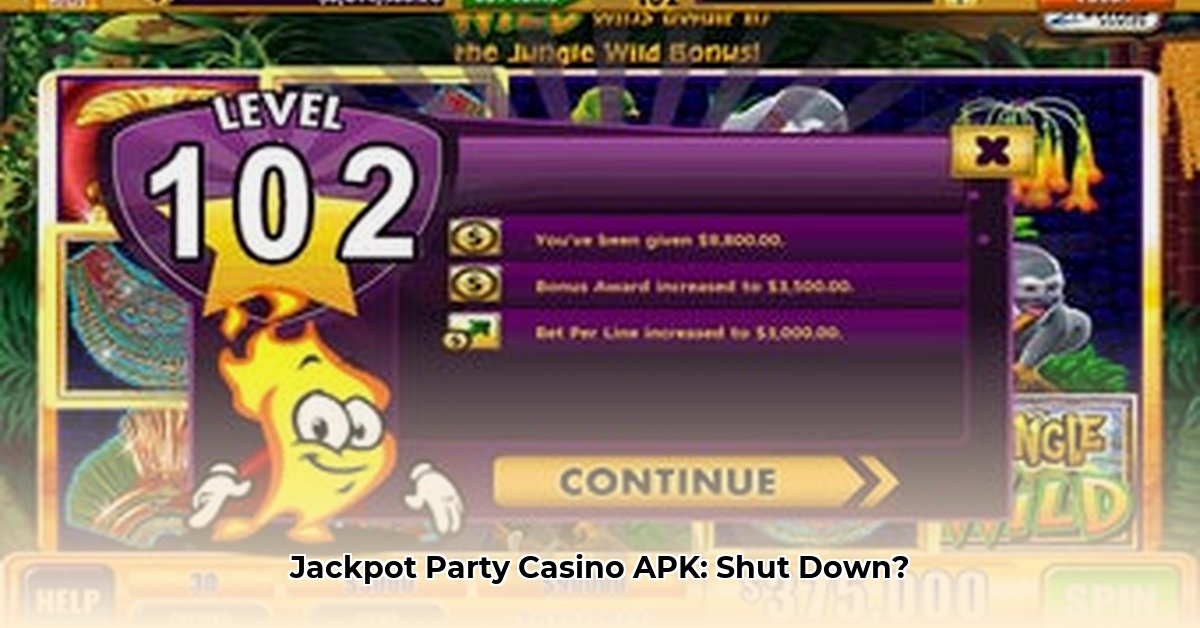
The abrupt removal of the Jackpot Party Casino APK from major app stores serves as a stark warning to the mobile gaming industry. This isn't merely a single app's misfortune; it's a pivotal moment highlighting the precarious legal landscape developers navigate. This analysis delves into the implications of this DMCA takedown, exploring its impact on developers, app stores, investors, and players, and offering actionable insights for mitigating future risks.
Jackpot Party Casino's Removal: A Case Study in Copyright Infringement
The sudden disappearance of Jackpot Party Casino from prominent app stores sent ripples through the mobile gaming community. While the specific details of the infringement remain shrouded in confidentiality agreements, the incident underscores the critical need for developers to navigate the complex web of copyright laws. The consequences extend beyond revenue loss; reputational damage and legal battles loom large. This case isn't an isolated incident; rather, it's a symptom of a broader industry challenge.
Navigating the Legal Minefield: Copyright in Mobile Game Development
The Jackpot Party Casino takedown underscores the absolute necessity for developers to possess a thorough understanding of copyright law. Even unintentional infringement can lead to devastating consequences. The lack of transparency surrounding this specific case emphasizes the critical need for proactive legal management. Are developers sufficiently safeguarding their intellectual property? What about those utilizing licensed materials? The ambiguity surrounding these questions highlights the inherent risks. A single oversight—a poorly drafted contract, an unlicensed image, or a misinterpretation of fair use—can trigger a chain reaction resulting in app store removal and protracted legal battles.
Beyond the Immediate Fallout: Wider Ramifications for the Mobile Gaming Ecosystem
The immediate impact on Scientific Games Interactive, the developer of Jackpot Party Casino, is undoubtedly substantial. Financial losses, reputation damage, and mounting legal fees are unavoidable consequences. However, the repercussions extend far beyond this single entity. The entire mobile gaming ecosystem feels the tremor. Investors, already wary of the inherent volatility in this market, will likely exercise even greater caution. Smaller, independent developers, lacking the resources to handle complex legal disputes, face amplified anxieties.
The Shifting Landscape: Predicting the Future of Mobile Game Development
This incident isn't a mere anomaly; it signals a pivotal shift in the industry. We anticipate increased scrutiny of app stores and a corresponding surge in DMCA takedowns. This will likely trigger significant changes:
Enhanced Regulatory Frameworks: The industry requires more clearly defined guidelines and efficient dispute resolution mechanisms. This likely means stricter regulations, improved mediation processes, and potentially even specialized courts dedicated to mobile gaming disputes. How can we ensure fairness and efficiency in this rapidly evolving sector?
Proactive IP Protection Strategies: Developers will inevitably prioritize proactive intellectual property protection. This means increased investment in legal expertise to meticulously review contracts and licenses, ensuring robust asset verification processes are in place. Legal services specifically catering to mobile game developers will experience significant growth.
Diversified App Distribution Models: Developers may explore alternative distribution channels to reduce reliance on traditional app stores. This might involve using their own websites or alternative platforms, potentially accepting higher risks for greater autonomy. Will this lead to a more fragmented mobile gaming market?
The long-term impact on players remains unclear. However, increased awareness of copyright infringement and the potential for app removal might foster greater player discernment. Players may favor established developers with a proven track record, potentially creating a market shift towards larger, more established players.
Actionable Intelligence: Navigating the Risks for Key Stakeholders
The following table summarizes the anticipated short and long-term consequences for various industry stakeholders:
| Stakeholder | Short-Term Impacts (0-1 year) | Long-Term Impacts (3-5 years) |
|---|---|---|
| Game Developers | Heightened legal scrutiny; investment in robust IP protection; exploration of alternative channels | Proactive IP strategies; increased legal expertise; adoption of legal tech solutions; more stringent internal reviews |
| App Store Platforms | Refined DMCA processes; enhanced transparency with developers; improved automated detection systems | More sophisticated copyright infringement detection; improved dispute resolution mechanisms; more proactive moderation |
| Legal Professionals | Increased demand for specialized mobile game legal expertise | Development of specialized legal frameworks; increased specialization within the legal field. |
| Players | Potential game disruptions; increased caution when selecting games | Increased awareness of copyright issues; preference for reputable developers; stricter security measures. |
How to Mitigate DMCA Risks: A Proactive Approach
The Jackpot Party Casino incident serves as a powerful reminder of the importance of proactive intellectual property protection. Understanding the DMCA and its implications is paramount for every developer.
Understanding the DMCA and its Relevance to Mobile Game Development
The Digital Millennium Copyright Act (DMCA) protects copyrighted works in the digital landscape, encompassing everything from game code and assets (graphics, sound, music) to original game mechanics. A DMCA takedown means immediate app store removal, leading to substantial financial losses and reputational damage. This isn't just a financial blow; it's a blow to player trust and potentially triggers costly legal battles.
Proactive Strategies for Preventing DMCA Takedowns
Proactive measures are key to avoiding DMCA issues:
Meticulous Asset Verification: Before integrating any asset, thoroughly verify its licensing. Secure explicit written permission from copyright holders for all elements.
Original Game Design: Prioritize originality in your game mechanics and overall design. Inspiration is acceptable; copying is not. Engage legal counsel to evaluate the uniqueness of your game’s core elements.
Proactive Legal Counsel: Consult with intellectual property lawyers to navigate copyright intricacies and establish robust protection strategies.
Regular Audits: Conduct routine audits of your game's assets to ensure ongoing compliance and identify potential issues early.
Comprehensive Terms of Service: Craft a detailed Terms of Service (ToS) defining acceptable usage and outlining consequences of copyright infringement.
Robust Internal Review Procedures: Implement thorough internal review processes to detect potential copyright violations throughout development.
Copyright Registration: Promptly register your game's copyright to establish clear ownership and strengthen your legal position.
Responding to DMCA Claims: A Mitigation Strategy
Even with the best preventative measures, a DMCA takedown might still occur. A structured response strategy is crucial. This involves promptly addressing the concerns raised, providing evidence of proper licensing, and transparently cooperating with the DMCA process. The goal is swift resolution and minimization of lasting harm.
The Jackpot Party Casino incident emphasizes a critical need for change within the mobile gaming industry. By embracing proactive measures and strengthening intellectual property protection, developers can safeguard their creations and navigate the evolving legal landscape with greater confidence. The future of this dynamic industry hinges on this adaptation.
⭐⭐⭐⭐☆ (4.8)
Download via Link 1
Download via Link 2
Last updated: Saturday, May 10, 2025